
Starting a career in healthcare is a smart choice, as healthcare careers are in demand and offer the chance to help others every day. But it’s important to understand one key aspect you’ll need to learn before you can begin: hands-on training.
In some career paths, you can learn all you need to know by reading a textbook, passing tests, attending lectures, and writing papers. But in healthcare, learning by doing is the most important part of your education. Hands-on training helps students practice real skills in a safe setting before they begin working with patients. It’s essential to take this step so you don’t jump into a career with life and death stakes without knowing what you’re doing.
If you’re exploring a healthcare career, read on to learn why hands-on training is so important, how it supports healthcare careers, and what to look for in a training program.
The role clinical training plays in healthcare careers
Clinical training is a major part of preparing for healthcare careers. It’s all about taking what you’ve learned in a classroom and applying it to real-life situations. After all, healthcare is a hands-on field. Whether you’re working with patients directly or supporting a medical team, you need to know how to perform your tasks safely and correctly.
A few examples of healthcare careers and how hands on training works with each include:
- Medical Assistants: Help with administrative tasks and patient care tasks. Hands on training would include learning how to take blood pressure and other vital signs.
- Phlebotomy Technician: Hands on training in this type of program involves learning how to draw blood and practicing drawing blood.
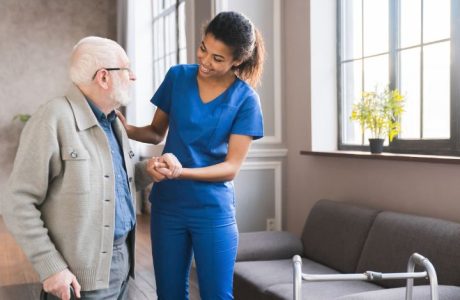
- Nurse Aide (CNA): In healthcare training to become a CNA, students practice helping people with daily care needs like mobility.
- Medical Billing and Coding Specialist: These healthcare workers oversee maintaining patient records and billing insurance. They often use real systems during their hands-on training.
In each of these roles, students benefit from practicing real skills before entering the workforce. Clinical training helps bridge the gap between learning and doing.
Importance of hands-on training in healthcare careers
Hands on training is one of the most valuable parts of any healthcare education program. It helps you move from understanding concepts to actually applying them. Plus, when it comes time to apply for jobs, you have more than just theoretical knowledge. You can say you have some experience in the work you’re applying for.
Positive impacts of including hands-on training into education
Some of the biggest perks of hands-on training in healthcare education include:
- Confidence
- Skill building
- Critical thinking
When you practice performing the work expected of you in a real-life setting, confidence is one of the biggest impacts you’ll notice. Instead of wondering if you can do the work required, you’ll know you can! Confidence is important in healthcare careers because patients rely on you. Being sure of your abilities helps you stay calm and focused on real-life situations.
Skill building is a big reason why hands-on training is so popular among healthcare programs. Through practice, you can develop the exact skills you’ll use on the job. Depending on which career path you’re interested in, these skills might include:
- Taking vital signs
- Using medical equipment
- Following safety procedures
- Patient communication
Practicing these skills during training helps you become more comfortable and capable before you begin working.
Critical thinking is another important skill you’ll learn and practice. Healthcare situations can change quickly. Patients may have different needs, and unexpected challenges can come up at any time.
Hands-on training helps students build critical thinking skills by:
- Solving problems in real-time scenarios
- Learning how to respond to different and changing situations
- Understanding how to make safe decisions
These experiences prepare students to think clearly and act quickly when it matters most.
Career Opportunities
Hands-on training does more than help you learn. It can also improve your chances of finding a job.
Employers often look for candidates who already have practical experience. When you complete a program with hands-on training, you show employers you’ve done this before, and you’re ready to step into the role and contribute right away. Students who complete hands-on training often feel more prepared when they begin working. They understand what to expect and how to perform their duties.
Other benefits of hands-on training for employment can include:
- Stronger resumes
- Better confidence during the interview process
- Familiarity with real work environments
- Understanding of jargon and other work-related language and concepts
- Increased job readiness
The importance of choosing a program with hands-on training
Not all education programs offer the same level of hands-on training. That’s why it’s important to choose a school that prioritizes this real-world experience.
If you’re not sure where to begin, ask these questions as you research programs:
- Does this program include opportunities to practice skills in labs or clinical settings?
- Are the instructors experienced? Will they help guide hands-on learning rather than just talking through concepts?
- Does the training include working with real equipment in healthcare environments?
- Is there support in building both technical and soft skills?
At Training Direct, we’ve focused our programs to answer “yes” to each of these questions! Hands-on training is a core part of every program. Students are given the chance to practice real healthcare skills in a supportive environment, helping them build confidence and preparation for their careers. With a focus on practical learning and career services offered for graduates, students leave feeling ready to enter the workforce.
Healthcare careers require more than just general knowledge. They also require skill, confidence, and the ability to act in real situations. From improving job readiness to working with patients effectively, hands-on training helps students prepare for success. Your career in healthcare starts with the right training, and the right experience.