
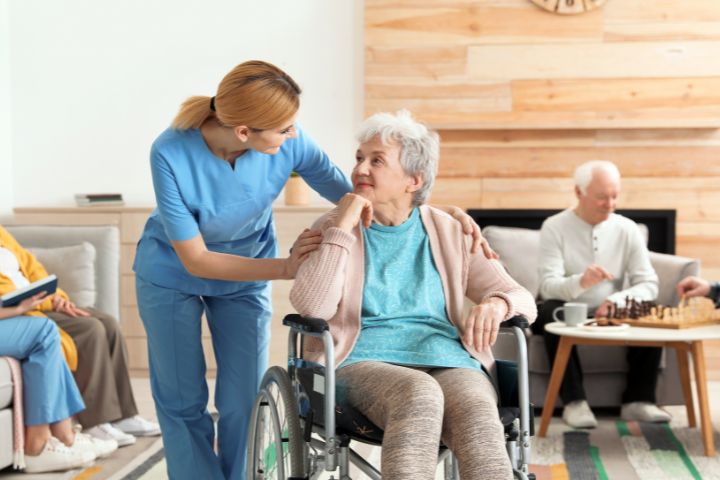
Becoming a CNA is more than learning how to take vital signs. A certified nurse aide plays a key role in patient care every single day. While technical skills are important, the heart behind the care matters just as much! Certified nurse aides often spend more time with patients than doctors, nurses, and other medical team members. They help with:
- Daily activities
- Providing comfort
- Noticing changes in a patient’s condition or mental health
Because of this, strong patient care skills are essential.
If you’re training to become a nurse aide, or considering this career path, developing compassionate care habits can help you stand out. Let’s explore why compassion matters and how you can strengthen your caregiving skills.
Why compassion matters in nursing
Healthcare can feel overwhelming for patients, especially those who are sick, in pain, or worried about their health. During these vulnerable moments, even simple tasks like bathing or eating require assistance. As a result, it’s important for a patient’s nurse, as well as the support staff (such as a CNA) to deliver compassionate care. A CNA who shows kindness, patience, and empathy in these moments can make a big difference in a patient’s day.
Compassion in nursing also helps:
- Build trust between patients and caregivers
- Reduce anxiety and fear
- Improve patient cooperation
- Create a more positive healthcare experience
A certified nurse aide provides comfort, reassurance, and dignity. These qualities help a patient feel seen and respected, not just treated.
Strong patient care skills combine both technical ability and emotional awareness. When you care for the whole person, not just their medical needs, you elevate the standard of care and boost hope in the patient as they move forward with their treatment or recovery.
Tips for delivering compassionate care as a CNA
Compassion is a skill you can practice and improve every day as a CNA. Some key ways to strengthen your patient care skills as a nurse aide include:
- Practice active listening
- Prioritize patient dignity
- Cultivate patience
- Show empathy, not just sympathy
Practice active listening
Active listening means truly paying attention when a patient speaks. This is a skill you can learn and master. It involves:
- Making eye contact
- Nodding or responding appropriately
- Avoiding interruptions
- Asking simple follow-up questions
- Repeating back what a patient says to ensure you understand
When patients feel heard, they feel valued. Even if you are busy, taking a few extra seconds to listen can make a meaningful impact. Instead of thinking about the rest of your to do list or what you plan to eat for dinner that night, put your thinking brain aside and instead focus on your patient’s words and needs.
As a CNA, listening carefully is also helpful because it can help you notice changes in a person’s mood or conditions. Strong listening skills improve both compassion and safety.
Prioritize patient dignity
Preserving dignity is one of the most important patient care skills for a certified nurse aide. Patients often need help with personal tasks like dressing, bathing, or using the restroom. These moments can feel embarrassing or uncomfortable, but with the right skills in place, you can ease the uncomfortable moments.
Ways a CNA might work to protect a patient’s dignity include:
- Explaining what you are doing before you begin
- Using privacy curtains or closing doors
- Always speaking respectfully
- Allowing patients to do what they can if possible
Simple actions show respect for the patient and where they’re at with their independence. When you treat every person with dignity, you build trust and confidence.
Cultivate patience
Healthcare settings can be busy and fast-paced, but it’s important to slow down when appropriate. Patients may move slowly, ask repeated questions, or need extra help. Patience is one of the most important qualities for a nurse aide.
You can build patience by:
- Taking deep breaths during stressful moments
- Reminding yourself that patients may be scared or uncomfortable
- Staying calm even when things feel rushed
Patience improves the quality of care and reduces friction for both you and the patient. It also helps create a peaceful environment, even in busy settings.
Show empathy not just sympathy
Empathy is another important skill a CNA should learn, and one they should fully understand. While sympathy means feeling sorry for someone, empathy means trying to understand how they feel.
As a CNA, empathy can be your superpower in connecting with patients on a deeper level. Instead of saying “I’m sorry you’re going through this,” you might say, “I understand this must feel difficult.”
Empathy helps you:
- Respond more thoughtfully
- Provide better emotional support
- Practice active listening
- Build stronger relationships
When patients feel understood, they are more likely to trust you and communicate openly.
Elevate your care standard as a certified nurse aide
Being a certified nurse aide means meeting professional standards of care in addition to working with compassion. You must know how to take vital signs, follow safety procedures, and help people with daily living tasks. While these technical skills are mandatory, what truly sets an exceptional CNA apart are the heart skills.
Let’s review the key tips for compassionate care:
- Practice active listening so patients feel heard
- Protect patient dignity during every task
- Cultivate patience, especially in busy situations
- Show empathy, not just sympathy
When you combine strong patient skills with kindness and compassion, you elevate the level of care you provide. Patients remember how you made them feel. That emotional connection can leave a lasting impact.
Overall, technical skills may qualify you for the job, but compassion defines you as a caregiver.
Developing your skills through training
Strong caregivers are made through education and practice. If you’re considering this career path, starting with training is the best place to build both technical abilities and soft skills.
A quality CNA program teaches:
- Infection control
- Safety procedures
- Communication techniques
- Patient rights
- Patient care skills
- Professional behavior
Hands-on training is especially important because practicing skills in a supervised setting builds confidence.
At Training Direct, our nurse aide program is designed to prepare students for real-world success. Students learn essential patient care skills while also developing the compassion and professionalism required in today’s healthcare settings.
Whether you are just starting your journey or looking to strengthen your abilities, proper training can help you grow into a confident and capable CNA. Click the button below to learn more about Training Direct’s certified nurse aide program and to start your journey today!
Training Direct has determined that its Nurse Aide program curriculum is sufficient to fulfill educational requirements for certification in the State of Connecticut only. No educational determinations have been made for any other state, district or US territory in regards to certification requirements.