
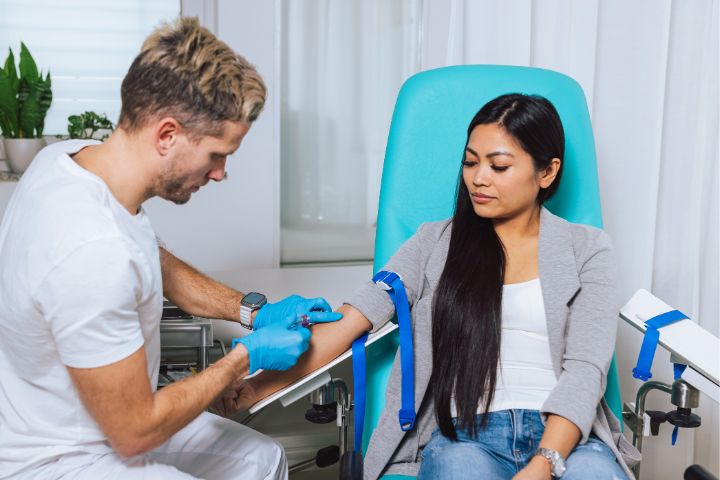
If you’re interested in healthcare and enjoy working with people, being a phlebotomist can be a good career fit. Phlebotomists are trained healthcare professionals who collect blood samples for testing, transfusions, and donations. Their work helps doctors diagnose illness, track health conditions, and provide proper care.
Being a phlebotomist is a hands-on role that combines technical skills with patient care. It can be a rewarding career on its own or a great first step into the healthcare field. Below, we’ll break down what you should know before starting a phlebotomy career, the challenges you might face, and how to get started!
Things to know when considering phlebotomy as a career
Before deciding if this path is right for you, it’s important that you know the answers to questions like “What’s a phlebotomist?” and “What skills do they need?” Keep in mind this work involves much more than drawing blood. Here are a few other things to know when considering a phlebotomy career:
- Soft skills are important
- Attention to detail is important
- It can be physically demanding
- The work environment varies
- It can be a fantastic steppingstone
Soft skills are important when interacting with patients
Phlebotomy training teaches you how to safely and correctly collect blood, but you’ll need to learn or improve some soft skills, too. Many patients feel nervous around needles, and it’s your job to help them feel calm and comfortable. Some soft skills you’ll need include:
- Clear communication
- Patience
- Empathy
- A calm, reassuring presence
- Professional behavior
Strong people skills can make a big difference in how patients experience their care and how well you perform your job.
Attention to detail is important
Phlebotomist duties require accuracy. Each blood sample must be labeled correctly and handled carefully. Even small mistakes can affect test results or patient records. Attention to detail helps you ensure:
- Samples are labeled with the correct patient information
- Safety and sanitation procedures are followed
- Equipment is used properly
- Records are accurate and complete
- Blood samples are not tainted
If you’re someone who likes following steps and staying organized, this career may be a good fit.
It can be physically demanding
Being a phlebotomist often means standing for long periods of time, moving between patients, and performing repeated tasks throughout the day. You will need to bend and reach to assist patients who need extra help. You will also need to have steady hands.
While the work is manageable, it’s important to be comfortable staying active during your shift and following proper techniques to avoid strain or injury. If you find yourself bored by the idea of an office job where you sit all day, this type of physical work may be rewarding.
The work environment varies
One benefit of a phlebotomy career is the variety of work settings available to you once you complete your program and any required certifications. Phlebotomists are needed in many healthcare environments, including:
- Hospitals
- Clinics and doctors’ offices
- Laboratories
- Blood donation centers
- Nursing homes
Each setting has its own pace and routine. Some environments are intense and fast-paced, while others are more predictable. This flexibility allows you to find a setting that fits your preferences.
It can be a fantastic steppingstone
Many people choose phlebotomy as their first healthcare job because the experience gained can open doors to other careers. Being a phlebotomist helps you build confidence, gain real healthcare experience, and learn how medical teams work together. Some healthcare career paths you might consider pursuing after working as a phlebotomist include:
- Medical Assistant
- Patient Care Technician
- Nurse Aide (CNA)
- Licensed Practical Nurse (LPN)
Challenges a phlebotomist might face in their career
Like any career, phlebotomy comes with challenges. Understanding them ahead of time can help you prepare for what to expect and know how to react when these things happen.
Some common challenges include:
- Working with patients who are anxious or afraid of needles
- Managing a busy schedule with multiple patients
- Handling difficult blood draws
- Following strict safety and sanitation rules
Phlebotomists must be organized and focused, even during long or stressful shifts. While these challenges come up, proper training and experience makes it easier for them to manage over time. For many phlebotomists, the satisfaction of helping patients outweighs the difficulties.
Why being a phlebotomist could be for you
If you’re looking for a healthcare career that’s fast to enter and full of opportunity, being a phlebotomist may be the right choice. A few reasons people choose this career path include:
- Fast-Track Entry: Many programs can be completed in a few weeks or months, allowing you to start working sooner than other healthcare roles.
- Job Stability and Growth: Healthcare professionals are in demand, which can provide job stability and opportunities for growth within the field.
- Patient Interaction: You’ll meet individuals from all walks of life and have the chance to make positive impacts.
Whether you’re changing careers and need to start earning quickly, or you’re a people person who wants to engage with others, these reasons make the work of being a phlebotomist the most rewarding part of the job for many people.
How you can get started as a phlebotomist
Starting your journey begins with the right training. Most employers prefer or require phlebotomists to complete a training program and earn certification. To get you where you need to go, follow these steps:
- Enroll in a phlebotomy training program
- Complete hands-on training
- Prepare for certification
At Training Direct, our phlebotomy program is designed to prepare students with the skills and confidence needed for entry-level positions. With experienced instructors, hands-on learning, and career support, students are guided every step of the way. If you’re ready to explore a phlebotomy career, Training Direct can help you take that first step towards building a future in healthcare with confidence.